When Did Venezuela’s Oil Become “Ours”?
At what point did Venezuelan oil reserves stop belonging to the people of Venezuela and become the property of U.S. oil companies? They didn’t. Not once. Not ever.
ECONOMICSHISTORYTRUMPPOLITICS
A Question Rooted in Myth, Not Law
HONEST QUESTION:
At what point did Venezuelan oil reserves stop belonging to the people of Venezuela and become the property of U.S. oil companies?
Answer: They didn’t.
Not once. Not ever.
And the fact that this question keeps coming up says far more about American political entitlement than it does about Venezuelan history.
Sovereignty Is Not a Suggestion
Under international law, natural resources belong to the nation in which they are located. This principle—permanent sovereignty over natural resources—is not radical, obscure, or debatable. It is foundational.
Oil under Venezuelan soil belongs to Venezuela.
Not to the United States.
Not to Chevron.
Not to ExxonMobil.
Not to whichever administration happens to want leverage this decade.
Disliking a country’s government does not void that country’s sovereignty.
The Part That Gets Conveniently Ignored: 1976
In 1976, Venezuela nationalized its oil industry.
That means:
Foreign oil companies lost ownership and control
The Venezuelan state assumed full authority
PDVSA became the legal owner of production and reserves
This wasn’t theft. It wasn’t illegal. And it wasn’t unusual.
Countries across the Global South did the same thing in the 20th century. And yes—foreign companies were compensated. That’s the part critics love to skip.
After 1976, no U.S. oil company owned Venezuelan oil. Full stop.
“But U.S. Companies Were Operating There!”
Yes. And that’s where the dishonesty creeps in.
Operating is not owning.
In later decades, Venezuela allowed joint ventures and service contracts with foreign firms. These arrangements:
Paid fees
Granted minority stakes
Allowed technical participation
What they did not do:
Transfer ownership of oil reserves
Grant sovereign control
Turn Venezuelan resources into American property
Drilling rights are not ownership rights. Profit is not possession.
If that distinction feels inconvenient, that’s because it ruins the narrative.
Chávez, Expropriations, and Corporate Amnesia
In the 2000s, Venezuela renegotiated contracts to increase state control. Some companies agreed. Others refused.
Those that refused:
Lost operating assets
Filed arbitration claims
Fought for financial compensation
What they did not win:
Ownership of Venezuelan oil
Legal rights to the reserves
Proof that the oil was ever “theirs”
These were business disputes, not acts of international theft—no matter how loudly certain politicians frame them otherwise.
Sanctions Don’t Create Ownership
U.S. sanctions have devastated Venezuela’s economy and oil output. That’s not in dispute.
What sanctions do not do:
Transfer ownership
Create moral entitlement
Rewrite history
You can block someone from selling their oil. You cannot claim it as yours.
Economic punishment is not a deed of ownership.
So Why Does This Lie Refuse to Die?
Because empire always prefers grievance to honesty.
It sounds better to say:
“They stole our oil.”
Than to admit:
“We don’t control it—and we’re angry about that.”
One is a moral accusation.
The other is a confession.
The Bottom Line
Venezuelan oil belongs to Venezuela.
It always has.
Not to U.S. corporations.
Not to U.S. presidents.
Not to cable-news talking points that confuse access with entitlement.
If the United States wants Venezuelan oil, it can:
Buy it
Negotiate for it
Compete for it
What it cannot do—legally, morally, or historically—is pretend it was ever ours to begin with.
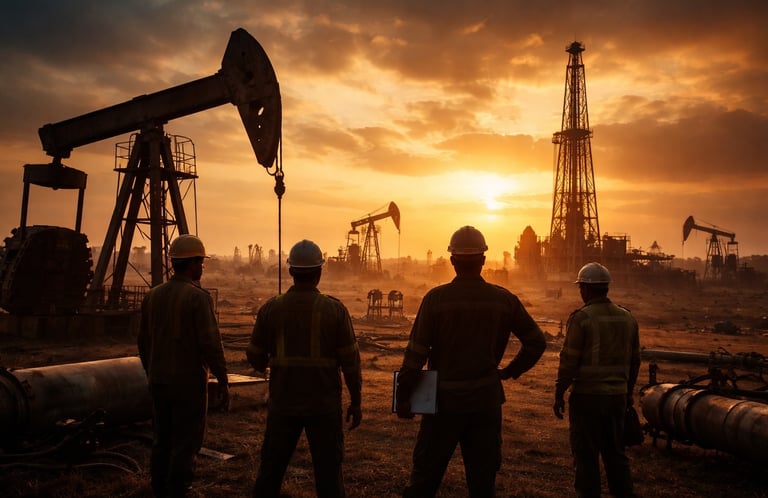
AI Generated Image
trumpianinsanity.com © 2023-2025 All Rights Reserved
Trumpian Insanity empowers people with the knowledge and tools to participate in meaningful political discourse and contribute to positive change.
Reframe your inbox
Subscribe to my blog and never miss a story.
We care about your data in our privacy policy.