Understanding Tariffs: The True Cost to American Consumers
Tariffs are taxes imposed by government authorities on imported goods from foreign countries.
ECONOMICSTRUMP
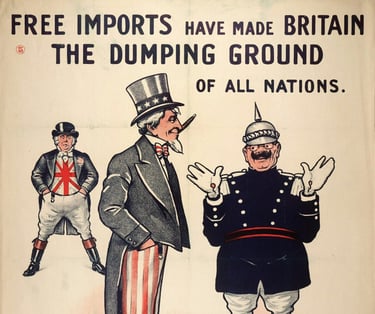
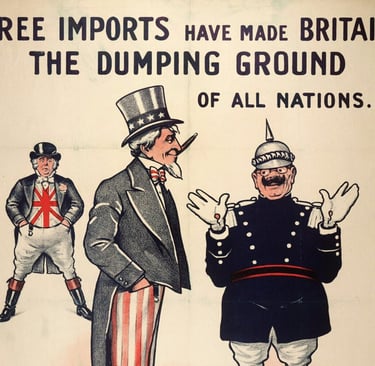
What Are Tariffs and How Do They Work?
Tariffs are taxes imposed by government authorities on imported goods from foreign countries. Their primary role in international trade is to regulate cross-border transactions by making imported products more expensive. This monetary barrier aims to protect domestic industries from foreign competition while simultaneously generating revenue for the government. When a tariff is applied, it is essentially a cost that importers must absorb, impacting both the pricing of goods in the domestic market and consumer purchasing behavior.
The mechanism behind tariffs is relatively straightforward. When a product is imported into the United States, the importing entity—typically a business—must pay a specific percentage of the value of that product as a tariff. Importers are responsible for these fees, not foreign exporters or governments. Thus, the cost burden of tariffs ultimately falls on American businesses and, consequently, consumers. As a result, the prices of certain imported goods may increase, leading consumers to pay more at retail outlets.
The intended purpose of imposing tariffs extends beyond merely increasing government revenue; they serve as a protective measure for domestic industries. By making foreign products less competitive in terms of pricing, tariffs incentivize consumers to purchase locally-produced alternatives, thus supporting American jobs and industries. However, while tariffs aim to bolster the national economy, they can also create friction in international trade relations. Various countries may respond by imposing their own tariffs on American goods, thereby escalating trade tensions that can complicate international economic engagements.
To summarize, tariffs play a crucial role in shaping the landscape of international trade. They operate as a financial mechanism influencing the balance between domestic production and foreign imports, carrying implications that are felt by both businesses and consumers alike.
The Misconception: Foreign Governments Pay Tariffs
One of the most prevalent misconceptions surrounding tariffs is the belief that these duties are paid by foreign governments. In reality, the costs associated with tariffs are not absorbed by foreign entities, but rather passed on to American businesses and consumers. Tariffs function as taxes imposed on imported goods, and it is ultimately the U.S. companies that import these products that bear the financial burden.
When tariffs are enacted, the importing companies must adjust their pricing structures to accommodate the increased costs. This pricing adjustment often leads to higher prices on consumer goods. For instance, if a tariff is imposed on steel imports, American manufacturers relying on steel for production see an immediate increase in their raw material costs. To maintain margins, they may raise prices on their finished products—whether it be cars, appliances, or various consumer goods. As a result, the increased price tag is directly felt by American households, making everyday purchases more expensive.
Furthermore, even though companies may attempt to absorb some of the tariff costs to remain competitive, the reality is that they generally cannot do so indefinitely. Over time, these tariffs contribute to a higher cost of living, particularly for products that American consumers frequently purchase. For example, clothing and electronics from countries that are subject to tariffs may see significant price increases as businesses adjust to these economic pressures.
Thus, the notion that tariffs are merely a form of foreign taxation is misleading. The true economic implications of tariffs manifest clearly in the budgets of American families. As prices rise, consumers find themselves navigating a landscape altered by these policy measures, often without realizing the underlying causes tied to international trade tariffs and their cascading effects on domestic markets.
The Economic Implications of Tariffs
The imposition of tariffs can have significant ramifications for the American economy, influencing not only consumer prices but also the overall landscape of international trade. One of the most immediate consequences of introducing tariffs is the escalation of costs for consumers. When tariffs are applied to imported goods, the additional expenses are often passed on to consumers in the form of higher prices. For instance, according to various studies, tariffs on steel and aluminum have resulted in increased costs for products such as automobiles and construction materials, ultimately burdening American families and businesses alike.
Furthermore, tariffs disrupt established supply chains, which can have a detrimental impact on production efficiency. Many U.S. companies rely on a complex web of global suppliers to source raw materials and components. When tariffs are implemented, these companies may face delays and increased costs, compelling them to either absorb the expenses, pass them onto consumers, or even relocate their manufacturing operations. This shift not only affects the local jobs that were tied to those sectors but also can stifle innovation as companies are forced to focus more on compliance with tariff regulations rather than on research and development.
Additionally, the introduction of tariffs often triggers retaliation from trading partners, leading to a cycle of escalating protective measures. For example, countries affected by U.S. tariffs may impose their own tariffs on American goods, which can further harm exporters and create a retaliatory trade war. Such disputes can lead to significant declines in exports, affecting industries that rely heavily on foreign markets. Ultimately, while tariffs may be positioned as a means to protect domestic industries, they can inadvertently compromise the competitiveness of American businesses and hinder innovation in the long run by creating an environment of uncertainty and reduced market accessibility.
Evaluating Trump's Stance on Tariffs: A Question of Understanding
President Donald Trump's approach to tariffs has generated considerable debate regarding its implications on American consumers and the broader economy. Trump's advocacy for tariffs was primarily rooted in the belief that they would protect American industries from foreign competition and promote domestic manufacturing. This perspective aligns with certain economic theories that suggest tariffs can provide short-term relief to struggling sectors; however, it overlooks potential long-term consequences. The imposition of tariffs typically leads to increased prices for consumers, as domestic producers often pass on these additional costs to the end user.
A critical assessment of Trump's stance reveals a complex interplay between economic understanding and political strategy. Some argue that his tariff policies were an indication of a limited grasp of the intricate economic realities, particularly the interconnectedness of global trade. The reality is that while tariffs may appear beneficial to specific industries, they can disrupt supply chains and inflate costs for consumers, leading to a net negative effect on the economy overall. Conversely, it can also be posited that his tariff rhetoric served a political purpose, appealing to segments of the electorate who feel threatened by globalization. This strategic maneuvering raises questions about the integrity of economic decision-making in political contexts.
The potential impact of Trump's tariff policies on public perception and policy-making cannot be understated. By framing tariffs as a protective measure, he fostered a narrative that resonated with many Americans, creating a sense of nationalism surrounding domestic production. However, this perception might hinder informed discussions about the true costs associated with such measures, particularly in light of rising consumer prices. As political leaders reflect on the legacy of Trump's tariff policies, they must grapple with the balance between protecting local industries and ensuring the economic well-being of American consumers. The ramifications of such decisions will undoubtedly influence future policymaking and economic discourse in the United States.
Ai Generated Image
trumpianinsanity.com © 2023-2025 All Rights Reserved
Trumpian Insanity empowers people with the knowledge and tools to participate in meaningful political discourse and contribute to positive change.
Reframe your inbox
Subscribe to my blog and never miss a story.
We care about your data in our privacy policy.