Trump vs. Free Speech: America’s Red Flag Moment
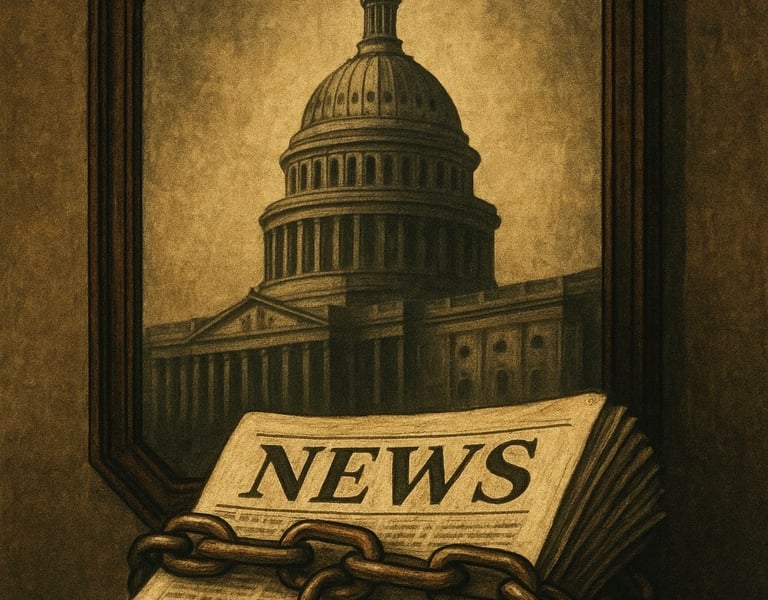
Free speech, the right to protest, a free press—these are not optional perks. They are essential. When these freedoms are under attack, democracy itself is on the line. Citizens cannot participate fully in civic life if they fear retaliation for speaking up.
FREE SPEECHRIGHTSTRUMPMEDIAPOLITICS
Students in the Crosshairs
Trump is punishing college students for protesting him. Across campuses, students who speak out face intimidation, harassment, and social media attacks. It doesn’t matter if they’re holding signs, organizing events, or simply voicing disagreement—the message is clear: dissent will not be tolerated. In any functioning democracy, protest is not just a right; it’s a cornerstone of civic life, a way for people to challenge power and demand accountability. Yet in Trump’s America, speaking up can feel like a personal attack against the president himself, and the consequences fall on ordinary young people who are simply exercising their constitutional rights.
Comedy Isn’t Safe Either
Late-night hosts and comedians who mock Trump are suddenly under siege. Networks feel pressure to fire them, advertisers face intimidation, and jokes about the president are treated like political crimes. Humor has always been a vital outlet for critique and reflection—it’s how society processes power, corruption, and absurdity. But when leaders start controlling what can be joked about, the line between free expression and censorship disappears. A society that cannot laugh at its leaders is a society that cannot question them. Trump’s attempts to silence satire aren’t just attacks on comedians—they’re attacks on a culture of accountability.
The Press Under Fire
Newspapers, journalists, and fact-checkers reporting stories Trump dislikes are being sued, smeared, and threatened. Investigative journalism exists to hold the powerful accountable. But when criticism becomes a legal threat, reporters are no longer watchdogs—they are targets. America’s free press is under siege not with guns or tanks, but with lawsuits, intimidation, and relentless public attacks. When the president treats scrutiny as a personal insult, it sends a chilling message: speak up at your own risk.
Call It What It Is
If this were happening anywhere else in the world, we wouldn’t hesitate to call it authoritarianism. Political repression. A government that punishes dissent, targets critics, and reshapes the rules of democracy to protect its own ego. Yet here, these warning signs are playing out in real time on American soil. The tactics are familiar: intimidation, legal threats, media manipulation. The stakes are high, because the freedoms being attacked—speech, protest, journalism—are the very foundations of a functioning democracy.
Democracy on the Line
Free speech, the right to protest, a free press—these are not optional perks. They are essential. When these freedoms are under attack, democracy itself is on the line. Citizens cannot participate fully in civic life if they fear retaliation for speaking up. Institutions crumble when criticism is punished instead of encouraged. This isn’t a hypothetical threat; it’s happening now, in the United States, and it demands our attention.
Time to Act
The question is simple: if we recognize these tactics abroad as dangerous to democracy, why ignore them at home? Protect the rights that allow America to function. Defend dissent, journalists, and students. Speak up, not later, not quietly, but now. Because once these freedoms are gone, they don’t come back easily—and history shows that leaders who silence criticism rarely stop at just a few targets. America cannot afford to look away.
AI Generated Image
trumpianinsanity.com © 2023-2025 All Rights Reserved
Trumpian Insanity empowers people with the knowledge and tools to participate in meaningful political discourse and contribute to positive change.
Reframe your inbox
Subscribe to my blog and never miss a story.
We care about your data in our privacy policy.