The Illusion of Emergency Powers: A Historical Perspective
The concept of emergency powers has roots that stretch back to ancient times, particularly in the context of governance during crises.
HISTORYDEMOCRACYTRUMP
The Beginnings of Emergency Powers in History
The concept of emergency powers has roots that stretch back to ancient times, particularly in the context of governance during crises. In ancient Rome, for instance, the Senate would appoint a dictator for six months during emergencies. This figure assumed extensive authority to ensure the stability and safety of the state, often justified by the necessity of decisive action in times of crisis. However, these powers could easily lead to abuses, as seen in the later years of the Roman Republic, where such appointments became mechanisms for power consolidation rather than genuine responses to emergencies.
As history progressed into the 20th century, the use of emergency powers took on new dimensions in various regimes. Leaders such as Adolf Hitler and Benito Mussolini seized upon national crises to enact measures that curtailed civil liberties and dismantled democratic institutions. The Reichstag Fire of 1933 provided Hitler with a pretext to declare a state of emergency, leading to the suspension of constitutional protections and allowing for the arrest of political opponents. Similarly, Mussolini’s regime leveraged fears of social unrest to justify authoritarian rule, effectively aligning the concept of emergency powers with the suppression of dissent.
This pattern of utilizing emergencies to rationalize authoritarian practices is a recurring theme throughout history. Dictators often exploit real or perceived threats to justify the implementation of extraordinary powers, undermining the very democratic principles that they ostensibly aim to protect. The consistent justification for such actions highlights the fragile nature of democracy and the ease with which leaders manipulate situations for their gain. As we examine the historical trajectories of these leaders, it is evident that emergency powers create a perilous paradox, where the very measures intended for protection can undermine the foundations of liberty and justice.
Broken Promises: The Pattern of Dictatorship
Throughout history, dictators have often risen to power under the guise of urgent necessity, promising to tackle only the most egregious threats to society. However, these proclamations frequently serve as a cover for broader ambitions of control, leading to a systematic erosion of democratic institutions and civil liberties. Leaders such as Joseph Stalin, Adolf Hitler, and Benito Mussolini exhibited this troubling pattern, initiating their regimes with purportedly noble intentions but ultimately expanding their authority to suppress dissent and consolidate their grip on power.
Stalin, for example, justified his totalitarian regime as a response to both internal and external threats. Initially focusing on perceived enemies of the state, he quickly widened the scope of persecution, targeting not just criminals but also political dissidents, intellectuals, and even ordinary citizens. The Great Purge exemplifies this betrayal of trust, as the very mechanisms intended to safeguard the state morphed into tools of oppression.
Similarly, Hitler claimed he would only remove corrupt elements from the German political landscape. However, the Reichstag Fire in 1933 provided a pretext for the enactment of the Reichstag Fire Decree, which curtailed civil liberties and paved the way for the Nazi regime to silence its critics. This pattern of behavior reveals an alarming tendency among dictators to manipulate fear and uncertainty to justify increasingly authoritarian measures.
Mussolini, too, showcased this dynamic, presenting himself as a bulwark against chaos while enacting laws that undermined democratic governance. Each of these dictators employed rhetoric that appealed to national security and public welfare, yet their actions indicated a distinct pivot towards despotism. The analysis of their strategies underscores the relevance of these historical precedents, showcasing how dictators exploit crises to further their agenda, ultimately leading to a betrayal of the very promises made to their supporters.
Donald Trump and the Normalization of Authoritarianism
During his presidency, Donald Trump frequently invoked emergency powers and framed his policies as necessary responses to existential threats facing the nation. This tactic is not novel; rather, it draws parallels to the historical precedents set by numerous dictators who have leveraged periods of crisis to consolidate their power. Trump's rhetoric often mirrored that of these leaders, employing fear-based language and presenting a narrative of urgency that justified extraordinary measures.
One notable instance of this was Trump's declaration of a national emergency in 2019 to secure funding for the border wall. He claimed that the situation at the southern border constituted a crisis, and appropriated funds from other government projects to fulfill this objective. This action raised significant constitutional questions, particularly regarding the limits of presidential authority. Critics argued that such a declaration was a clear example of circumventing legislative oversight, a tactic reminiscent of authoritarian practices where leaders bypass democratic institutions to achieve their ends.
Moreover, Trump’s rhetoric often portrayed a distorted image of reality, suggesting that internal and external threats were far more acute than they were. Statements linking immigration with crime or describing protest movements as "riots" cultivated an environment of fear. By framing dissent as threatening, Trump sought to delegitimize opposition, which is a cornerstone strategy employed by authoritarian figures throughout history. This normalization of authoritarian discourse poses lasting implications for democratic norms, as it erodes public trust in institutions and inflates the power of the executive branch.
Ultimately, while Trump's presidency was marked by various policy decisions, it was his approach to governance that significantly influenced perceptions of power and authority in the United States. By channeling the tactics of historical dictators, Trump contributed to a troubling trend of normalizing authoritarianism within modern democratic frameworks, raising concerns about the long-term consequences for American democracy.
Lessons from History: Safeguarding Democracy
Throughout history, the abuse of emergency powers by dictatorial regimes has often led to the erosion of democratic norms and civil liberties. Understanding these lessons is crucial in developing robust frameworks designed to protect democracy from similar threats in modern governance. The historical precedents demonstrate that during times of crisis, there is a propensity for leaders to consolidate power, often justifying their actions under the guise of national security or public safety.
One primary lesson is the critical importance of a free and independent media. The role of media in safeguarding democracy cannot be overstated; it functions as a watchdog, providing citizens with necessary information about government actions. An unencumbered press can investigate the use of emergency powers and hold leaders accountable, thus preventing abuses. Historical examples highlight how regimes have attempted to control or silence the media, showcasing how vital it is for democratic societies to defend press freedom vigorously.
Additionally, civil society organizations play a pivotal role in advocating for transparency and accountability. These groups mobilize public opinion and foster civic engagement, ensuring that citizens are informed and empowered. By creating platforms for discussion and dissent, civil society can counterbalance governmental authority, particularly in times of crisis when the risk of authoritarianism escalates.
Legal frameworks are also fundamental in safeguarding democracy. Constitutions must include clear provisions regulating the declaration and exercise of emergency powers. Strong judicial oversight can prevent the misuse of these powers. Historical contexts reveal that courts often serve as a bulwark against autocratic tendencies, ensuring that freedom and rights are not unduly compromised during emergencies.
Ultimately, the resilience of democratic institutions can be fortified through vigilance. The lessons from history underscore that ongoing engagement, active citizenship, and a commitment to upholding civil liberties are paramount in preventing the erosion of rights amidst crises. By reflecting on the past, contemporary societies can cultivate a more vigilant democratic landscape where the specter of dictatorship is kept at bay.
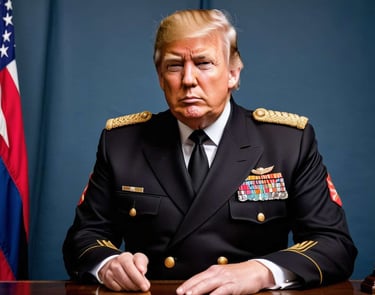
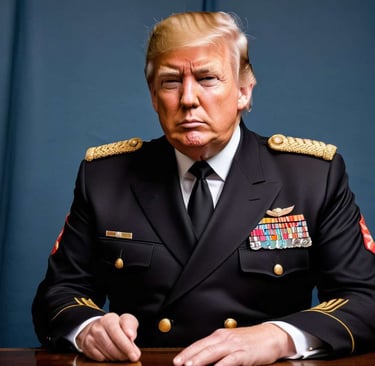
AI Generated Image
trumpianinsanity.com © 2023-2025 All Rights Reserved
Trumpian Insanity empowers people with the knowledge and tools to participate in meaningful political discourse and contribute to positive change.
Reframe your inbox
Subscribe to my blog and never miss a story.
We care about your data in our privacy policy.