Free Speech for Me, Censorship for You: The Hypocrisy of Caucacity
“Caucacity” isn’t an actual word; it’s a made-up term blending “Caucasian” with “audacity” to criticize white people who act hypocritically about free speech and racism.
FREE SPEECHRIGHTSCULTUREPOLITICS
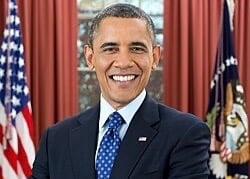
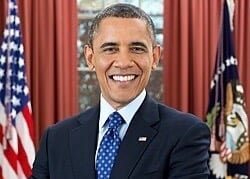
“Caucacity” isn’t an actual word; it’s a made-up term blending “Caucasian” with “audacity” to criticize white people who act hypocritically about free speech and racism. It’s essentially a rhetorical device to call out perceived hypocrisy among white conservatives in a punchy, satirical way.
Free Speech… Until It’s Uncomfortable
For eight long years, a certain segment of this country—let’s call it Caucacity—spent their days hurling some of the most vile, dehumanizing language imaginable at the nation’s first Black president. “Barack the Magic Negro.” “Boy.”“Tar baby.” His wife? Branded as “a gorilla in heels.” And all of this, they insisted, was protected free speech—a sacred right to express themselves no matter how offensive, no matter how blatantly racist.
And yet, here we are today, watching the same people flip the script entirely. Now, they are marching in lockstep to police language, to erase any commentary that calls a deceased racist exactly what they are: a racist. The irony is staggering. Free speech, it seems, is only free when it serves their agenda, only righteous when it punches down on those they despise.
Hypocrisy in Technicolor
The message could not be clearer: words are weapons—but only the words you approve of are allowed to exist. Eight years of slurs and mockery? A patriotic defense of free expression. A single observation that someone’s life was steeped in racism? An existential threat to civilization.
This is more than hypocrisy. It’s moral inversion. It’s the audacity to demand “sensitivity” and “accountability” while having spent nearly a decade weaponizing the ugliest, most degrading language imaginable against the first Black family in the White House. The same people who shouted, “He doesn’t deserve respect!” now claim “You can’t call a racist a racist.”
The Bigger Picture
This isn’t about principles. It’s about power, control, and narrative management. It’s about who gets to speak, who gets to mock, and who gets to decide which words are acceptable. It’s about making sure history is sanitized when it points fingers at your friends and weaponized when it attacks your enemies.
The truth? Free speech is only free if it threatens the right people. If it makes you uncomfortable or exposes your own allies? That’s where the gloves come off. And if you think this is just rhetoric, look around: firing, canceling, shaming—this isn’t theory. It’s happening in real time.
The Takeaway
Words have power, always. But when that power is applied selectively, it’s no longer about speech—it’s about control.And in that game, the rules are painfully simple: call a Black president names? Celebrate it. Call a dead racist what they were? Prepare to be silenced.
Caucacity has spoken. Free speech is a weapon… but only in their hands.
Photo By Library of Congress
trumpianinsanity.com © 2023-2025 All Rights Reserved
Trumpian Insanity empowers people with the knowledge and tools to participate in meaningful political discourse and contribute to positive change.
Reframe your inbox
Subscribe to my blog and never miss a story.
We care about your data in our privacy policy.